COMPOSITION IN PHOTOGRAPHY
Composition in photography refers to the position of elements inside the frame and how they interact with each other. Ultimately, the composition is about the visual structure of your image.
By using composition your photo looks very attractive and interesting and it will be easy for the viewers to understand the subject and the story of the image.
Note: You cannot click good images By just using ISO, Shutter Speed, and Aperture. You need to understand composition as well to take appealing images.
THE ELEMENTS OF COMPOSITION
a) THE RULE OF THIRDS
Using the rule of thirds in photography creates visual interest and impact in your photos. Gridlines divide your scene into thirds, both horizontally and Vertically. These lines and the four points at which they meet create areas on your frame for placing subjects and essential elements as shown in the image below.

If your frame is wide and if you found foreground and background are busy or if you find some symmetrical lines then try placing your subject in a center placing your subject in the center commands the attention of the viewers. Using centered composition helps to emphasize his importance as shown in the image below:


d) FOREGROUND INTREST
The foreground is the portion of the frame that is closest to the camera. The foreground space in an image can be utilized to draw attention to a subject located further into the frame. While shooting tries to put some interesting subject in the foreground to make that photo looks appealing to the viewers. As shown in the image below:

Frame within a frame composition is all about positioning your main subject so it’s framed by something else within the scene. It is a bit unconventional, but it can give you stunning, eye-catching results. Use a frame to emphasize your main subject. The frame within a frame composition is to guide the viewer toward a more distant subject as shown in the image below:

A golden spiral is a tool used to create better more compelling composition in your images so that visual clues lead along the curve of the golden spiral, directing your viewer's eye, towards your focal point where the spiral ends as shown in the image below:


h) ATTENTION USING LIGHT
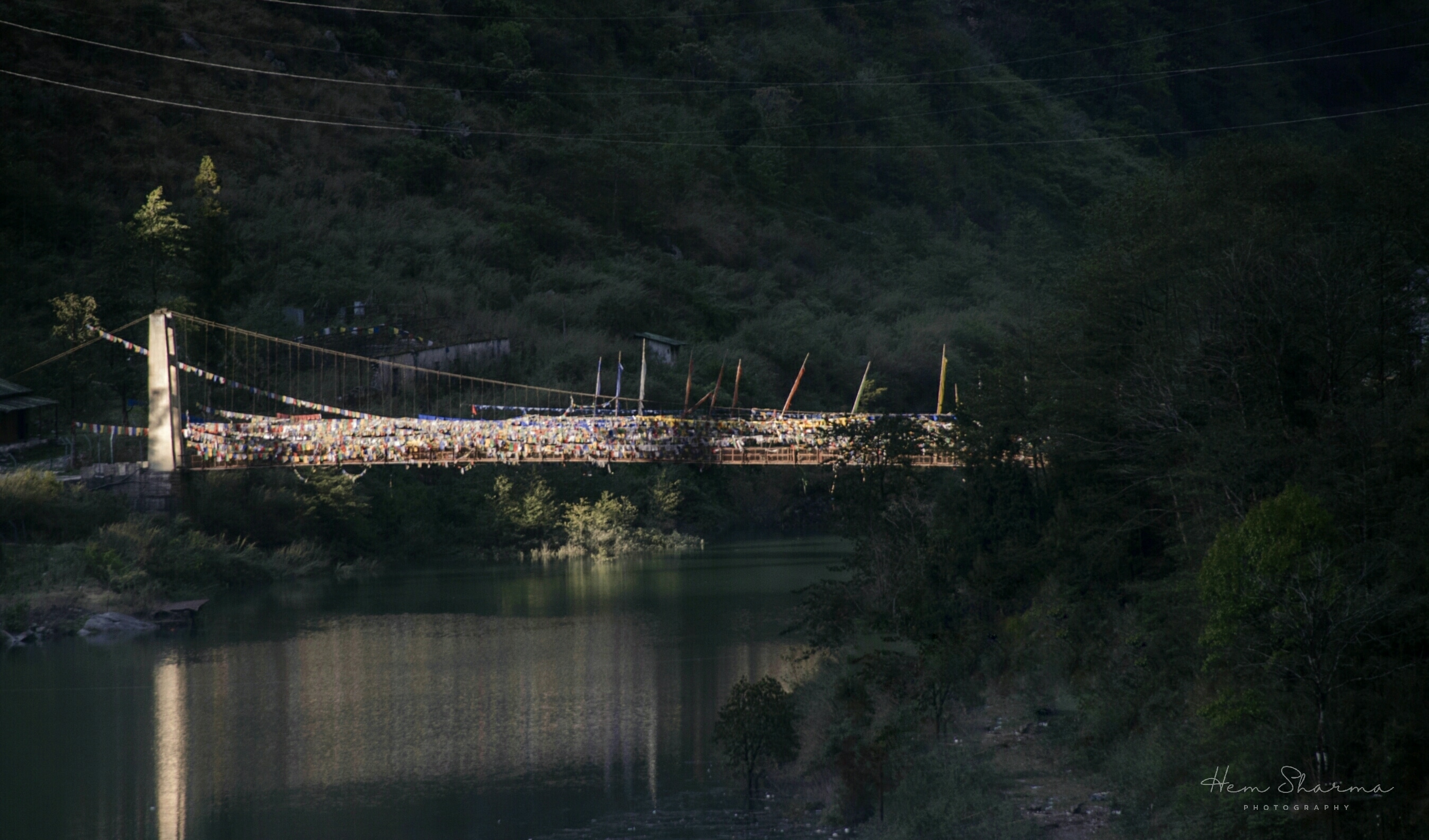
Our eyes naturally go to the brightest part of an image. To apply this type of composition The main subject should be the brightest part of the image. While editing the techniques like dodging and burning in the subject makes the image directly to the viewer's eye and gives a nice appealing image with the maximum amount of light in the subject, Dodging is selectively lightening certain parts of the image. Burning is selectively darkening certain parts of the image as shown below:
NOTE: Photography composition for beginners is a learning exercise. These tips and techniques which I have shared are a starting point. There are more to know and more things to click a beautiful image but from here you will get the basic idea to improve your photography.
Comments
Post a Comment
Thank you for sharing your words.